
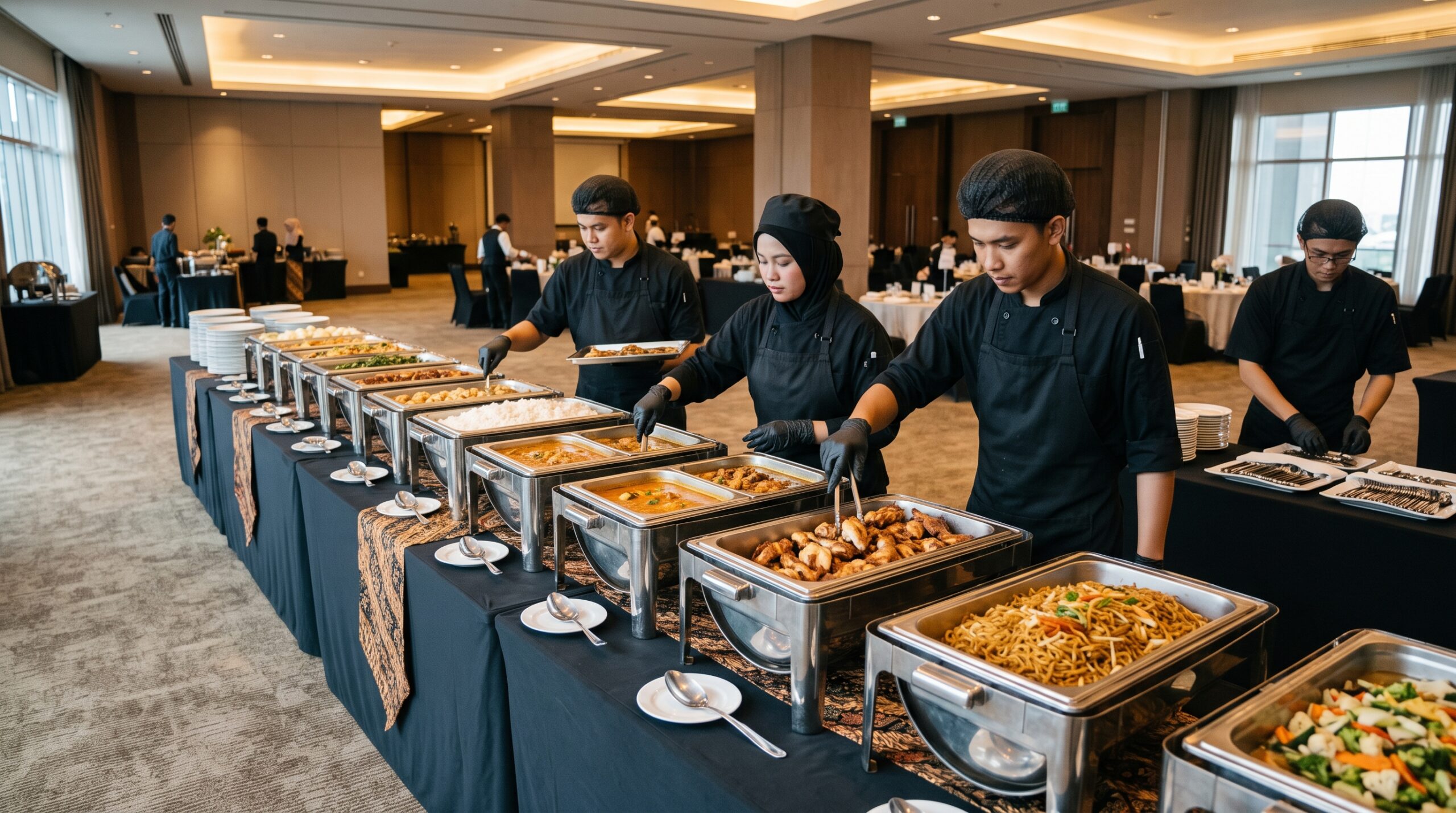
Preparing 300 meals is one thing. Getting all 300 ready for service at the right time and temperature takes another level of planning.
For catering businesses, meeting these demands requires more than an experienced kitchen team. The equipment used for cooking, food holding, refrigeration, and preparation can determine how efficiently an operation handles large orders.
Commercial catering solutions cover the cooking equipment, food holding systems, refrigeration, and kitchen planning a caterer needs to prepare and deliver large orders reliably. Providers like Endura help businesses manage everything from high-volume production to food preparation and serving arrangements.
Whether you’re starting a catering operation or taking on larger orders, choosing suitable commercial catering equipment solutions can help you build a kitchen around your actual production needs.
Match Your Commercial Catering Solutions to Your Catering Model
The equipment and setup you need depend on the type of catering service you provide. A business handling weekend weddings has different priorities from one delivering hundreds of packed lunches to offices every weekday.
Event and Buffet Catering
Weddings, conferences, and corporate functions often involve preparing large quantities of food for service within a limited time.
Cooking everything at once isn’t always practical, especially when different dishes require different preparation times. Preparing food in batches and planning when to replenish the buffet helps the team manage service more efficiently.
Food holding equipment is particularly useful for keeping properly prepared dishes at suitable serving temperatures as guests arrive and return for additional portions.
Corporate and Institutional Catering
Offices, schools, and hospitals often need meals delivered according to a fixed daily schedule. Some operations handle hundreds of portions per service, so consistency matters as much as production volume.
Standard portion sizes, organised preparation schedules, and reliable delivery arrangements help teams meet these requirements. The kitchen also needs enough capacity to prepare meals in the required quantities without delaying packing and dispatch.
On-Site Catering and Live Cooking
Live cooking adds a few more things to the checklist. Equipment needs to fit the venue, and the team must have access to suitable power supplies, water, and ventilation where required.
Before confirming an event, check the available facilities and the space allocated for cooking. This helps you determine which equipment to bring, how to arrange the cooking station, and whether the venue is suitable for the planned menu.
Which Commercial Catering Equipment Suits Your Business?
Different catering models call for different equipment combinations. Rather than purchasing appliances individually, consider how each piece of equipment contributes to your cooking, storage, and service requirements.
| Catering Model | Recommended Equipment | Primary Purpose |
| Event & Buffet Catering | Bain-Marie Units, Holding Cabinets, Display Warmers, Blast Freezers | Preparing dishes in advance, rapidly cooling and freezing suitable foods, and maintaining safe holding temperatures during buffet service |
| Corporate & Institutional Catering | Combi Ovens, Boiling & Braising Pans, Commercial Chillers, Blast Freezers | Supporting large-batch cooking, rapid cooling and freezing, scheduled meal production, and temperature-controlled storage |
| On-Site Catering & Live Cooking | Cooking Stations, Griddles, Commercial Burners, Blast Freezers | Preparing ingredients and suitable dishes in advance at a central kitchen, then completing cooking and service at event venues |
When evaluating these commercial catering solutions, consider portion volume, production frequency, available kitchen space, and menu requirements. For off-site events, equipment dimensions and access to utilities are equally important.
The goal is to select appliances that support your expected workload without paying for capacity you rarely use.
Organise Your Catering Operations Around Serving Time
Knowing how many guests you’re serving gives you a starting point. The next step is working backwards from the time the food needs to be served.
Take an event for 200 guests with lunch scheduled at noon. If cooking takes two hours and portioning, packing, and transportation take another hour, your team needs to start well before 9 am. You should also allow time for setup and unexpected delays.
A practical catering production plan should cover four areas:
- Preparation schedule: When ingredients need to be cleaned, cut, and portioned.
- Cooking timeline: Which dishes can be prepared ahead of time and which need to be finished closer to serving.
- Dispatch deadline: When packed meals or prepared dishes need to leave the kitchen to arrive on schedule.
- Serving strategy: Whether food will be plated, packed into individual meal boxes, or replenished at buffet stations.
Mapping out these steps makes it easier to allocate staff, identify potential delays, and determine the cooking capacity and catering equipment needed before service begins.
Keep Food Quality Consistent Beyond the Kitchen
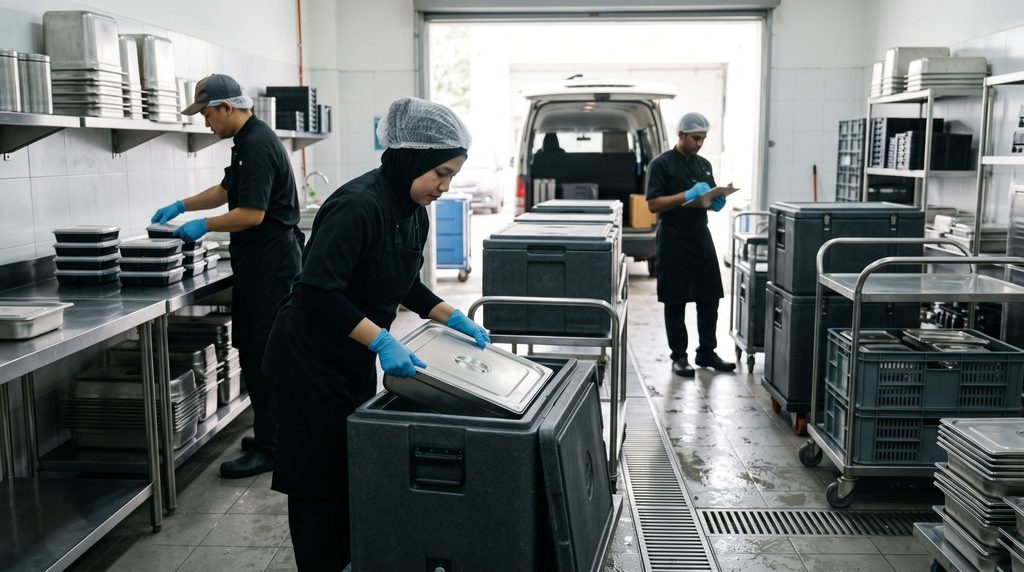
Food handling doesn’t end when cooking is complete. Once meals leave the kitchen, travel time, storage conditions, and setup arrangements all affect how well they hold up before serving.
Hot dishes need to be kept at appropriate temperatures, while chilled food requires suitable cold storage. These requirements are particularly important for catering orders involving long journeys or extended setup periods.
Commercial food holding equipment, such as holding cabinets, bain-marie units, and display warmers, help operators manage properly cooked food before and during service. These appliances support suitable serving temperatures but do not replace proper cooking, reheating, or temperature monitoring procedures.
Transportation needs equal attention. Insulated food carriers, secure packaging, and realistic delivery schedules help protect food during transit. Factor in unloading and setup time too, especially when the team needs to prepare several serving stations before guests arrive.
Let Your Catering Service Determine the Equipment You Need
A catering kitchen should be equipped around the volume and type of food you prepare. Choosing the right commercial catering equipment before opening or expanding helps avoid a setup with insufficient capacity during busy periods or appliances that sit unused between orders.
For central kitchens preparing large batches, commercial cooking equipment such as combi ovens and high-capacity cooking ranges supports larger production requirements.
Buffet caterers, on the other hand, might need more food warmers and holding cabinets to keep dishes ready throughout service. Refrigeration is also important when ingredients and prepared dishes need to be stored ahead of an event.
Before choosing equipment, consider:
- How many portions you need to produce per batch.
- How many batches the kitchen needs to prepare each day.
- How often each appliance will be used.
- How much space is available for cooking, preparation, and storage.
- Whether the equipment suits your menu and existing workflow.
These details help you choose equipment that meets your expected output without taking up unnecessary space or stretching your budget on capacity you rarely use.
Make Catering Logistics Part of Kitchen Planning
Cooking might happen at the centre of your operation, but a catering kitchen also needs room for portioning, packing, storage, loading, and dispatch.
Consider a business preparing 500 boxed meals for a corporate client. Even if the kitchen has enough cooking capacity, a shortage of packing space can slow down the entire order. Staff might end up working around active cooking stations or waiting for room to assemble and label meal boxes.
Planning separate areas for packing and dispatch helps keep these activities organised. Accessible storage and clear loading routes also reduce unnecessary movement between workstations.
This is worth considering before installing equipment, when changes to the layout are easier to make. Endura’s kitchen consultancy and design services help operators select suitable catering kitchen equipment and plan its placement alongside utilities, drainage, ventilation, and other operational requirements.
Prepare for Service Disruptions
Catering schedules often leave little room for delays. If a key appliance breaks down or a delivery vehicle arrives late, the team still needs to meet the agreed serving time.
Preventive maintenance helps identify equipment issues before they disrupt production. It also helps to have backup delivery arrangements and some flexibility in the production schedule, particularly for large events.
Last-minute changes to guest numbers are another consideration. Keeping track of confirmed orders and setting deadlines for changes gives the kitchen more time to adjust ingredient quantities and production plans.
Endura provides after-sales maintenance services through its in-house technical team. Having a support team to contact when equipment needs attention helps operators manage maintenance requirements and address potential disruptions.
Bring Every Stage of Your Catering Operation Together
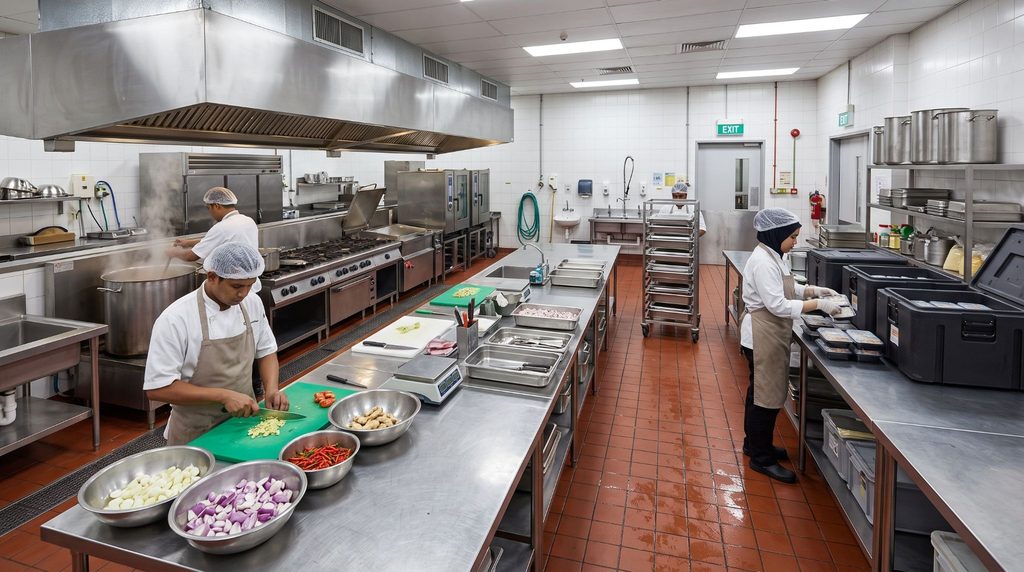
Running a catering business involves coordinating more than food preparation. Production capacity, food handling, transportation, and serving arrangements all need to work together to meet client expectations.
For Malaysian F&B operators, Endura offers kitchen consultancy, design and construction, professional equipment supply, and ongoing technical support. To accommodate different budgets, Endura also provides flexible equipment purchasing options:
- Outright Purchase: Own your equipment from the start with a one-time investment.
- Rent-to-Own: Spread equipment costs through monthly payments while working towards ownership.
- Leasing: Access commercial kitchen equipment through rental arrangements without a large upfront purchase, subject to eligibility.
These options allow catering businesses to choose an investment approach that best suits their operational needs and cash flow.
Share your catering format, expected serving volume, kitchen space, and budget with our team. We’ll help you identify suitable equipment and plan a kitchen setup around your operation.
Whether you’re launching a catering business or expanding your existing services, contact Endura to explore commercial catering equipment solutions tailored to your operation.