
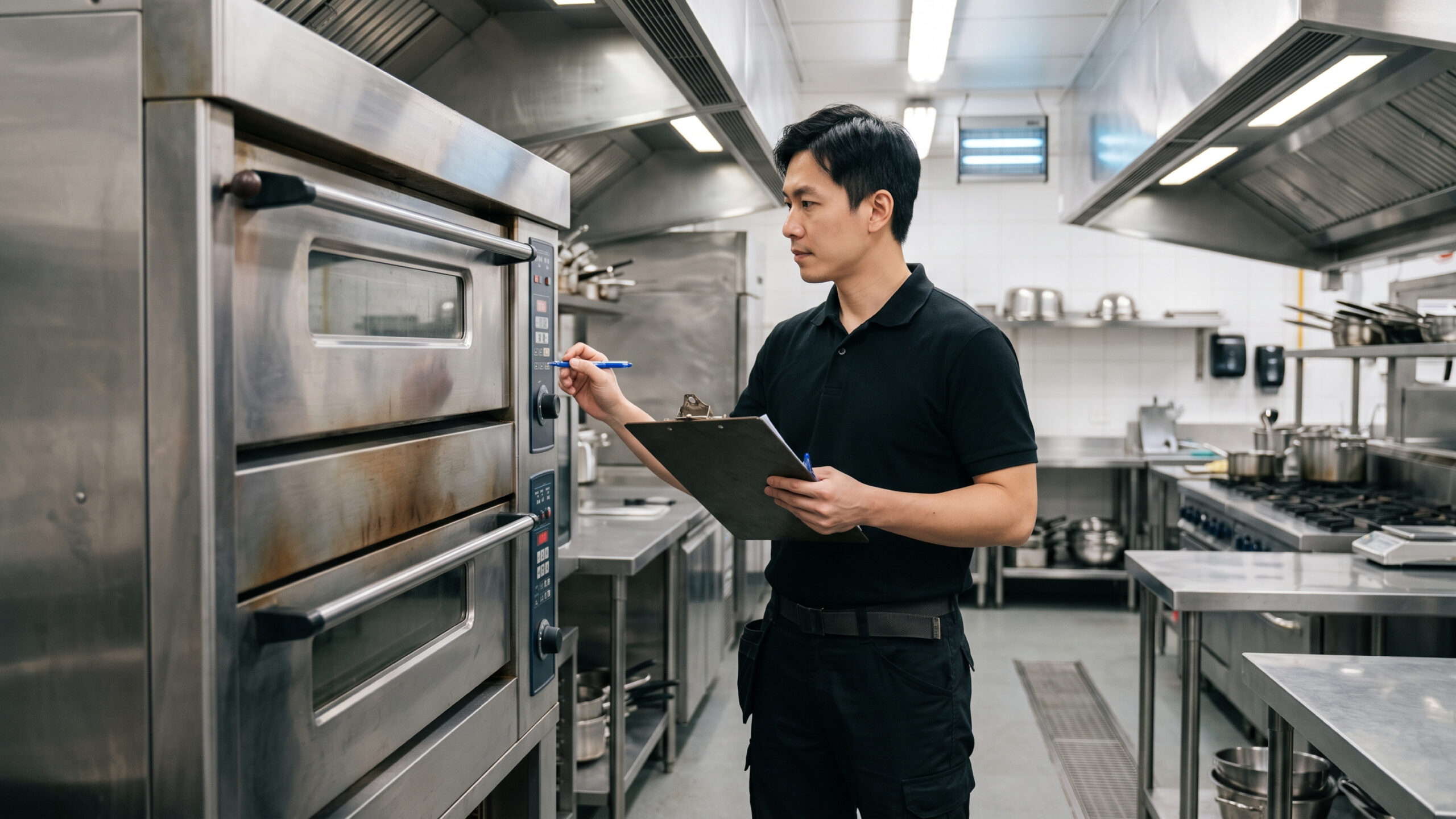
Commercial kitchen equipment is used in demanding conditions every day. Dishwashers, ice makers, refrigeration and other appliances are constantly exposed to heat, moisture, food residue and continuous use. Small issues can cause equipment failures that halt your daily operations if you don’t regularly maintain your kitchen equipment.
So how often should you be scheduling your kitchen service?
Each commercial kitchen has its own schedule. The correct frequency depends on equipment type, usage, operating hours, kitchen volume and equipment condition. A sensible maintenance schedule would involve regular inspections, planned servicing and professional inspections.
Importance of Servicing Your Kitchen Regularly
Kitchen servicing is more than fixing equipment after it breaks down. Regular inspections help identify wear, performance issues, and hygiene concerns before they develop into costly problems. Preventive servicing can also help restaurant operators make better decisions about when to maintain, repair, or replace equipment.
Choosing cheaper kitchen equipment may reduce upfront spending, but the purchase price is only part of its lifetime cost. Frequent breakdowns, replacement parts, emergency repairs, and premature replacement can gradually outweigh the initial savings. When essential equipment fails during service, the impact extends beyond repair costs to kitchen delays, staff productivity, and potentially lost revenue.
A planned maintenance approach helps operators monitor equipment condition, address developing faults, and make informed spending decisions. For restaurants looking to improve equipment reliability and manage long-term operating costs, Endura’s kitchen equipment maintenance services offer a relevant starting point for exploring scheduled inspections, preventive maintenance, and repair support.
How Often Does Commercial Kitchen Equipment Need Servicing?
Daily Equipment Inspections
Normal kitchen operations should include daily checks. Staff may clean equipment, listen for unusual sounds or leaks, look for obvious damage and make sure machines are working properly.
These daily checks help identify visible issues, but they should not replace professional equipment servicing. They are meant to catch obvious problems early, and keep equipment in a basic sanitary condition.
Monthly Performance Checks
Monthly checks can help identify growing problems before they affect operations. Depending on the type of equipment, operators may check for performance, cleanliness, connections, moving parts and signs of wear.
In busy environments, equipment that is used a lot, such as refrigeration, dishwashing systems, cooking equipment and ice machines, may need closer monitoring.
Planned Preventive Maintenance
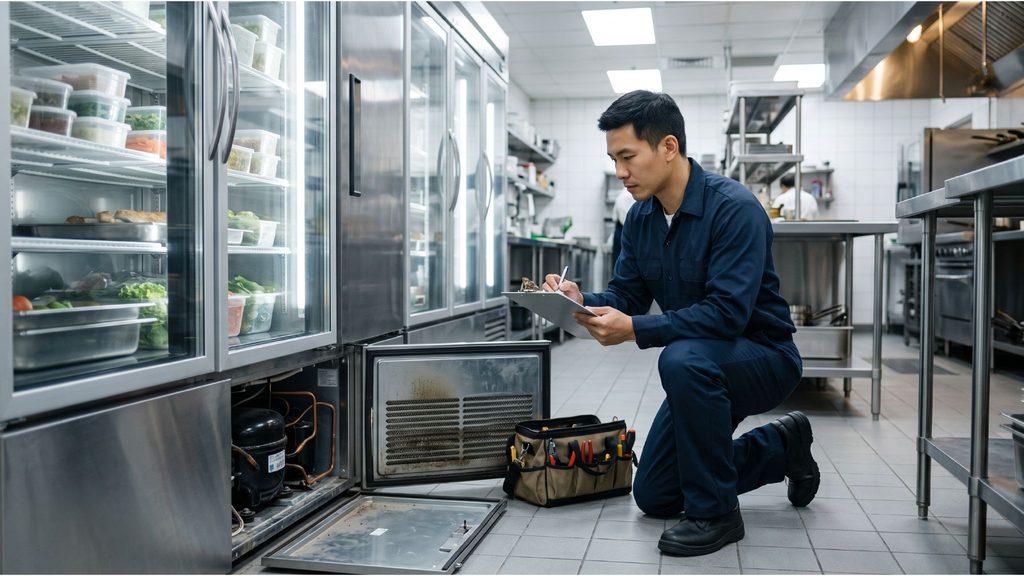
Preventive maintenance is a planned, technician-led check that catches problems before they cause a breakdown. Technicians assess equipment condition, identify worn parts, and check performance before carrying out servicing or repairs as needed.
Endura F&B Solutions offers scheduled preventive maintenance with:
- Fixed servicing schedules
- Performance and hygiene checks
- Equipment health inspections
- 24-hour repair response within Klang Valley
- 48-hour repair response outside Klang Valley (excluding Langkawi)
Annual Equipment Review
Annual review provides a broader picture of the state of equipment. Operators can see recurring problems, equipment that might be getting old, maintenance patterns and machines that might need to be replaced.
Multi-location restaurant groups can use data to compare equipment across locations, standardize maintenance practices, and find common problems.
What Affects Kitchen Servicing Frequency?
Servicing frequency should not be determined solely by a fixed calendar.
Equipment usage: Equipment that is used during the busy service periods and runs continuously may require servicing more frequently.
Operating Environment: Heat, moisture, grease and food residue can affect the condition of equipment and cleaning requirements.
Equipment type: Refrigeration, dishwashers, ice machines, and cooking equipment have different maintenance needs and should be serviced appropriately.
Age and condition: Equipment that is older or has had repeated faults may need to be monitored more closely.
Business volume: The greater demands on kitchen equipment are made by high-volume restaurants, hotels and multi-outlet operations.
Signs that your kitchen needs servicing
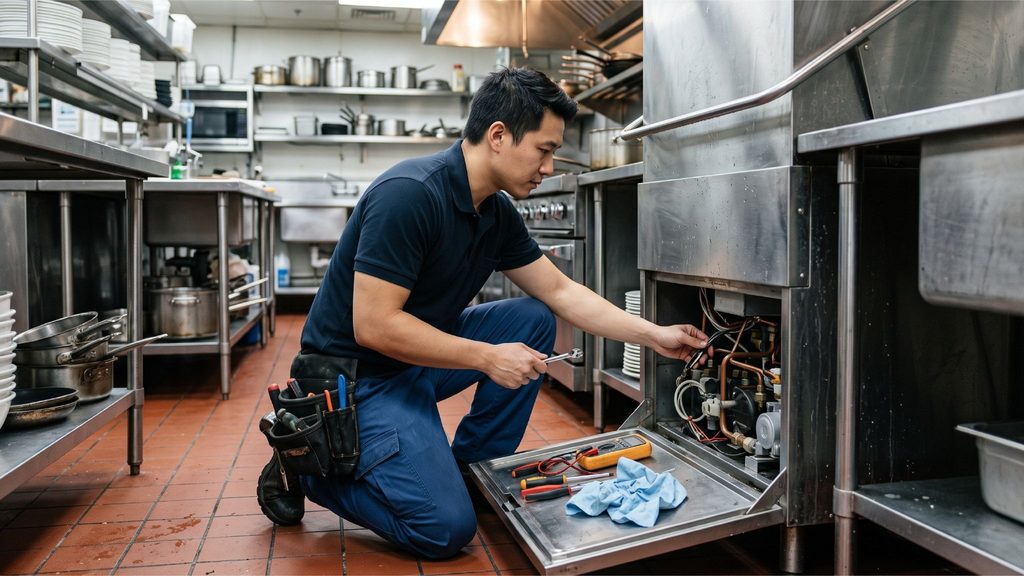
Don’t wait for equipment to break down before scheduling service. Warning signs that your kitchen equipment needs servicing include:
- Strange noises
- Performance problems
- Temperature problems
- Leaks or unusual smells
- Visible wear and tear
- Repeated failures
- Equipment taking longer to operate than normal
Such changes may be a sign that the equipment needs to be professionally inspected.
Endura’s maintenance services include diagnostics and machine health inspections, diagnostic testing of parts wear and tear, equipment health scoring, servicing, repair and overhaul works. Regular equipment inspections also help operators make informed decisions about repair and replacement options.
Adding Kitchen Servicing to Your Business Plan
The best way to do this is to think of kitchen servicing as a normal business expense and not an emergency.
Start with daily inspections, set up proper preventive maintenance intervals, and periodically check equipment condition. More critical equipment or higher availability may warrant more detailed monitoring, but the service should always be based on the manufacturer’s recommendations and actual operating conditions.
It’s more than simply keeping equipment running. A well planned servicing schedule helps the operator to identify problems earlier, minimize disruption which could have been avoided and make better decisions about repair or replacement.
Ultimately, preventive maintenance is part of maintaining a reliable operation for commercial kitchens. If your commercial kitchen needs a scheduled maintenance plan or a professional equipment inspection, contact Endura’s team to discuss your requirements.
For more information about maintenance arrangements, equipment inspections, and service support, visit our frequently asked questions.