
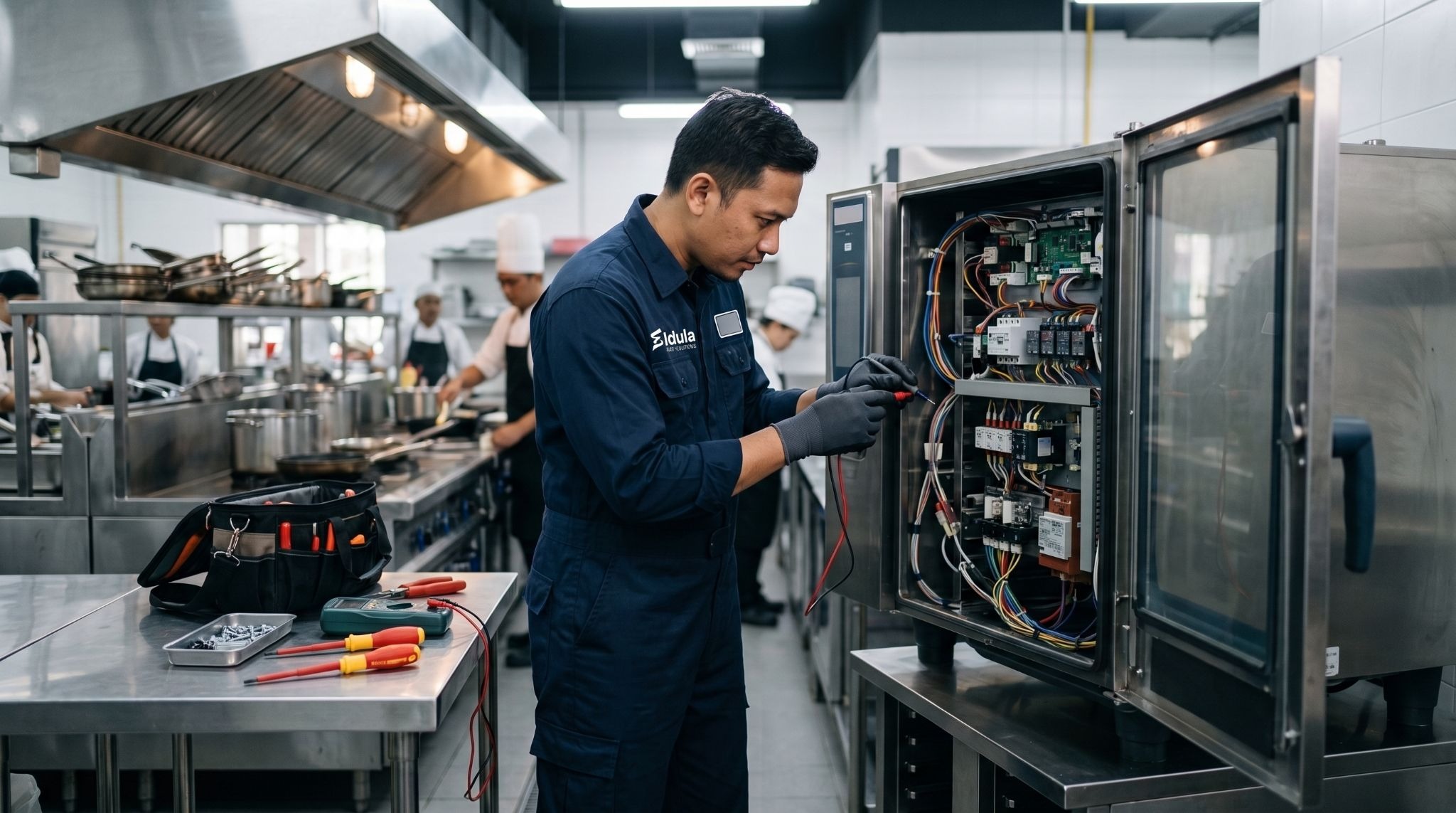
A commercial oven may look impressive in a showroom, but will it perform consistently during your busiest lunch service? And if it breaks down, how quickly can you get technical assistance?
For restaurant owners, café operators, and hospitality businesses, selecting commercial kitchen equipment involves much more than comparing product catalogues.
Understanding how to choose a commercial kitchen equipment supplier in Malaysia can help you avoid unsuitable purchases, unexpected expenses, and operational disruptions.
Planning to launch a new F&B establishment or give your current kitchen an upgrade? Consider these seven aspects to find a supplier that suits your operational priorities.
1. Look for a Supplier Who Understands Your F&B Operations
Not every equipment supplier understands the operational demands of different foodservice concepts.
The kitchen requirements of a bakery, a busy dine-in restaurant, and a delivery-only food business can vary significantly in terms of equipment capacity, functionality, and workflow.
Recommending identical equipment for every business may result in inefficient investment.
Look for suppliers who ask about your menu, expected daily orders, peak-hour demand, and kitchen dimensions before suggesting equipment.
For example, Endura F&B Solutions provides commercial kitchen consultancy that considers production requirements, available space, and operational workflows.
This approach helps business owners make decisions based on actual kitchen requirements rather than product specifications alone.
2. Check Equipment Quality and Relevant Certifications
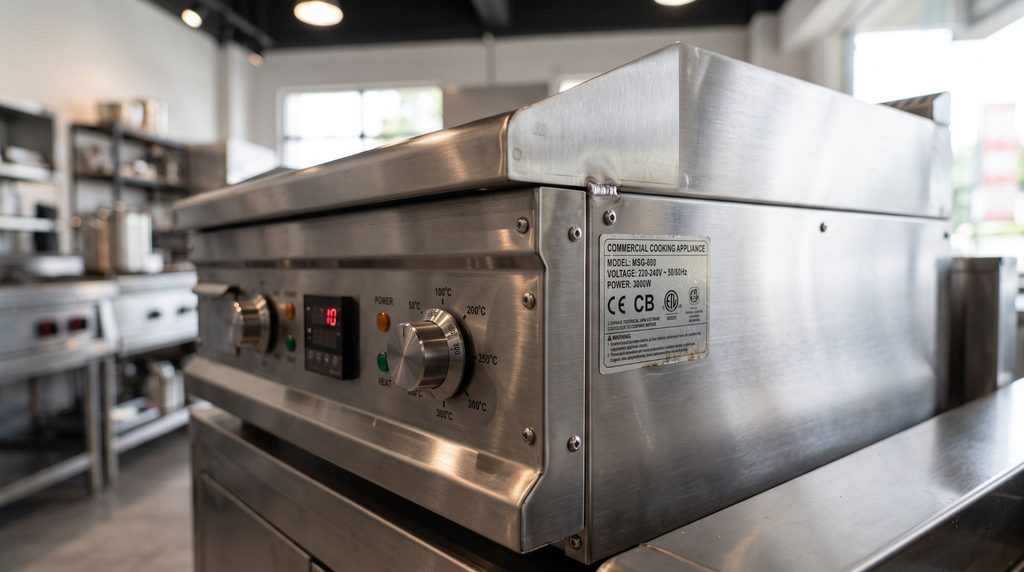
Commercial appliances must withstand frequent use while supporting safe food preparation.
Before purchasing, examine equipment materials, temperature controls, electrical requirements, and applicable certifications.
Depending on the product, international certifications may include CE, CB, ETL, or energy-efficiency ratings.
In Malaysia, the Energy Commission (Suruhanjaya Tenaga) provides guidelines for electrical equipment approval. Certain regulated electrical products require specific approvals, so confirm which requirements apply to your selected appliances.
3. Evaluate Equipment Suitability for Malaysian Food Safety Requirements
Food hygiene should influence equipment selection, particularly for refrigeration, ingredient storage, and food preparation surfaces.
Malaysia’s Food Hygiene Regulations 2009 (Peraturan-Peraturan Kebersihan Makanan 2009) set hygiene standards for food premises, covering how food is prepared, handled, and stored.
When evaluating a restaurant equipment supplier, consider whether its products support hygienic cleaning, reliable temperature control, and suitable ingredient storage.
Easy-to-clean surfaces, accessible components, and appropriate refrigeration capacity can make daily hygiene procedures more manageable.
Remember that equipment selection supports compliance but does not replace food premises registration or other applicable regulatory obligations.
4. Compare Total Equipment Costs, Not Just Selling Prices
A lower quotation does not necessarily mean a better investment.
Beyond the purchase price, consider installation expenses, energy consumption, spare parts, warranty coverage, and potential maintenance costs.
For example, an inexpensive refrigerator with high electricity consumption may become costlier over several years.
When comparing commercial kitchen equipment suppliers in Malaysia, request quotations that clearly explain the purchase inclusions.
| Cost Factor | What to Ask |
| Equipment Price | Are essential accessories included? |
| Installation | Does the quotation cover delivery and setup? |
| Warranty | Which components and services are covered? |
| Maintenance | What are the expected servicing requirements? |
| Financing | Are alternative payment arrangements available? |
Endura’s flexible equipment arrangements include outright purchase, rent-to-own, and leasing options for qualifying orders.
Having different payment arrangements allows restaurant owners to allocate funds more strategically while keeping other essential business expenses in mind.
5. Assess Installation and Kitchen Planning Support
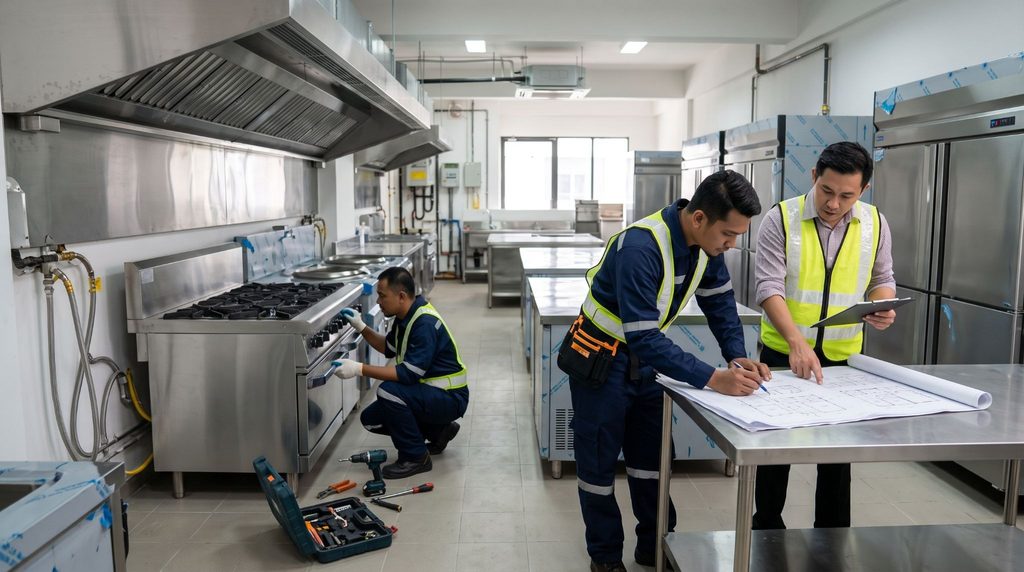
Purchasing suitable equipment is only part of the process. Correct installation and placement also influence kitchen efficiency.
Before finalising a supplier, ask whether it provides layout advice, utility coordination, and installation guidance.
For example, installing commercial cooking equipment may require consideration of electrical capacity, ventilation, plumbing, and working clearances.
A supplier offering commercial kitchen design and build services can help coordinate equipment requirements with the overall kitchen layout.
Endura provides consultancy, technical drawings, equipment planning, and project execution support, making it suitable for operators seeking more than standalone appliance purchases.
6. Ask About Technical Support and Preventive Maintenance
Imagine your restaurant’s main cooking appliance stops working during a weekend rush. Without reliable technical support and a quick response time, even a minor issue can disrupt kitchen operations and delay service.
When choosing a supplier, ask about technician availability, repair procedures, spare parts, and preventive maintenance services.
Endura F&B Solutions provides maintenance services through its directly employed technical team, supported by teams across Peninsular Malaysia supporting a quick response time when equipment needs attention. Its published response targets are 24 hours within Klang Valley and 48 hours outside Klang Valley, subject to service coverage.
The maintenance process also includes equipment condition reports and customer authorisation before repairs proceed, helping you make informed decisions about equipment servicing.
7. Review Supplier Experience and Long-Term Business Support
Before making your final decision, examine a supplier’s previous projects and experience serving businesses similar to yours.
Request relevant project examples and discuss whether the supplier can support future equipment upgrades or additional locations.
A reliable F&B equipment supplier should understand how business requirements evolve after installation.
For restaurant groups, consistent equipment specifications and dependable technical support can make operations across multiple locations easier to manage.
Choose a Kitchen Equipment Partner That Supports Your Business
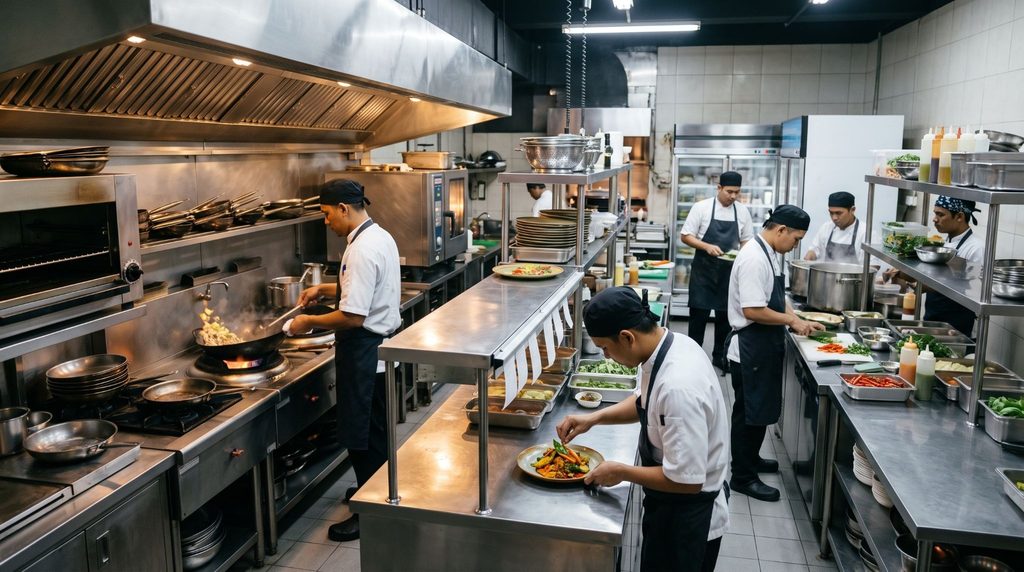
Choosing a supplier involves balancing equipment performance, compliance considerations, investment costs, and long-term reliability.
By comparing these factors, Malaysian F&B operators can make purchasing decisions that suit their immediate requirements and future operational plans.
Endura combines commercial kitchen consultancy, professional equipment solutions, flexible purchasing arrangements, and after-sales maintenance to support foodservice businesses.
Looking for a dependable commercial kitchen equipment supplier? Contact Endura F&B Solutions to discuss equipment options that match your kitchen requirements and business goals.